Nvidia CEO Jensen Huang returns to work this week into one of the busiest oversight calendars an American tech chief has faced. According to CNBC, he is due for closed-door transcribed interviews with three House committees on December 1 and to testify publicly before the Senate Banking Committee on December 3, the day Nvidia's Washington conference wraps up. The focus is AI chip export controls and whether Nvidia products reached China in ways Congress did not intend. Many of the underlying claims are allegations from lawmakers, not findings, and none of the sources we read report any charges.
How we got here
The Hill reports that Huang left Nvidia earlier this month after a high-profile exit tied to a personal scandal, and that Nvidia announced on Monday, November 23, that he was returning. The reports and political statements around the scandal include allegations that we do not repeat or verify here. This article covers the scheduled oversight and what is publicly on record. The House Foreign Affairs Committee statement said the Nvidia board's "brief internal investigation and reinstatement" of Huang "do not erase the national security threats and questions that must be addressed." CNBC adds that a separate board investigation led by the law firm Wachtell Lipton is still going.
The calendar
Per CNBC, Huang is scheduled for a transcribed interview on Tuesday, December 1, with the House Foreign Affairs Committee, the Select Committee on the CCP and the Select Committee on Intelligence, behind closed doors. The committee chairmen said in their statement that Huang and Tim Teter confirmed they will appear on December 1 and December 2, as planned. On December 3, the Senate Banking Committee will hold a hearing titled "Protecting America's AI Advantage: Oversight of U.S. Export Controls," with Huang as the only witness, according to The Hill, starting at 10 a.m. Eastern time.
The chairmen's stated concerns are "the mass smuggling of NVIDIA products, their diversion for Chinese military purposes, and their key role in advancing our foremost adversary's AI capabilities." Those are the lawmakers' own words about what they want answers on. They are not conclusions about Nvidia's conduct, and the sources we read do not say Nvidia has been found to have done wrong.
More probes in the background
CNBC lists a long roster of other scrutiny: California's attorney general is investigating Huang's remarks, lawmakers on the Senate Finance, Intelligence and Foreign Relations committees have made inquiries, House Energy and Commerce has asked Nvidia for a briefing, and CNBC says there is a Department of Justice investigation and a reported Securities and Exchange Commission investigation. We have not independently confirmed the federal investigations beyond CNBC's reporting.
The politics
The Hill reports that Sen. Elizabeth Warren, the ranking Democrat on the Banking panel, called Huang's rehire "reckless" and said Nvidia's executives and board still owe Congress answers on compliance with export controls. The Hill also quotes President Trump telling CNBC he had been "speaking to the board directly and indirectly" because he "felt very strongly about it," and says Warren and Sen. Ruben Gallego signaled interest in looking at the role administration officials may have played. The Hill's account of a specific White House figure's involvement relies on an unnamed source, so we leave it out.
The business angle
CNBC notes that the Washington dates collide with Nvidia's own conference. Huang had been scheduled to give the keynote on December 1, but the company has Ian Buck, a vice president, filling that slot and declined to say whether Huang will appear. CNBC also says Nvidia faces rising competition from chips its biggest customers, including OpenAI, Anthropic, Google, Amazon and Microsoft, are developing to cut costs and reliance on it. Yale's Jeffrey Sonnenfeld asks in the piece how Huang can do the job while facing so many inquiries, while a former federal prosecutor says nothing prohibits him from doing his day job but that preparing for investigations takes significant time.
What to watch next
Watch what Huang and Nvidia say in public on December 3, whether the House committees release transcripts, any new export-control proposals that follow, and whether Nvidia's investors treat the hearings as a risk to product plans.
Why it matters
Nvidia chips power most of the AI boom, so rules about who can buy them shape the whole industry, and a leadership fight in Congress adds uncertainty. Expect headlines to move fast, and treat claims by lawmakers as claims until evidence is shown. This article summarizes published reports and public statements and is not legal or investment advice.
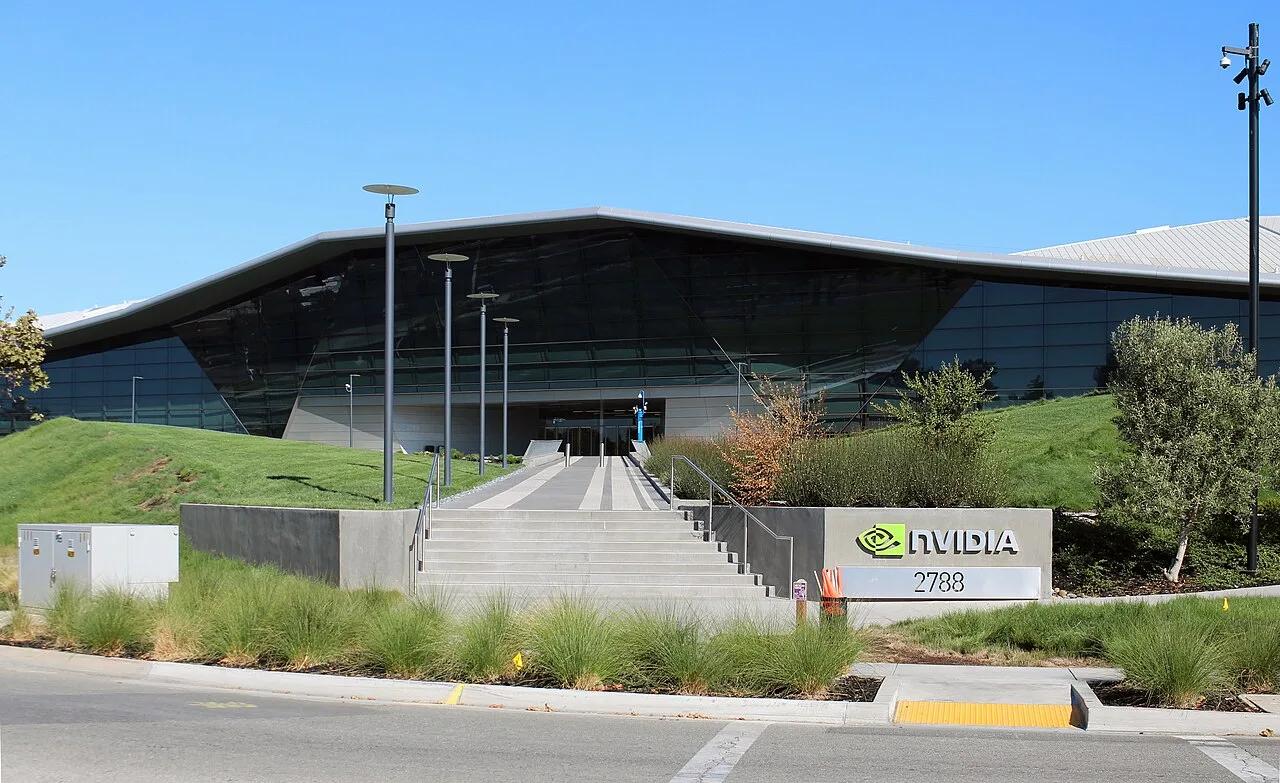
Cover image: Nvidia's headquarters in Santa Clara, California, photo by Coolcaesar (taken in 2018), CC BY-SA 4.0, via Wikimedia Commons. Archive photo, not from the hearings.