Meta has put its Muse AI agent into Instagram direct messages, and the timing is awkward. Days before the launch, Meta's own employees were posting internal warnings about it, and a state attorney general opened an investigation. Here is what is confirmed, what is disputed and what is still unknown.
What launched
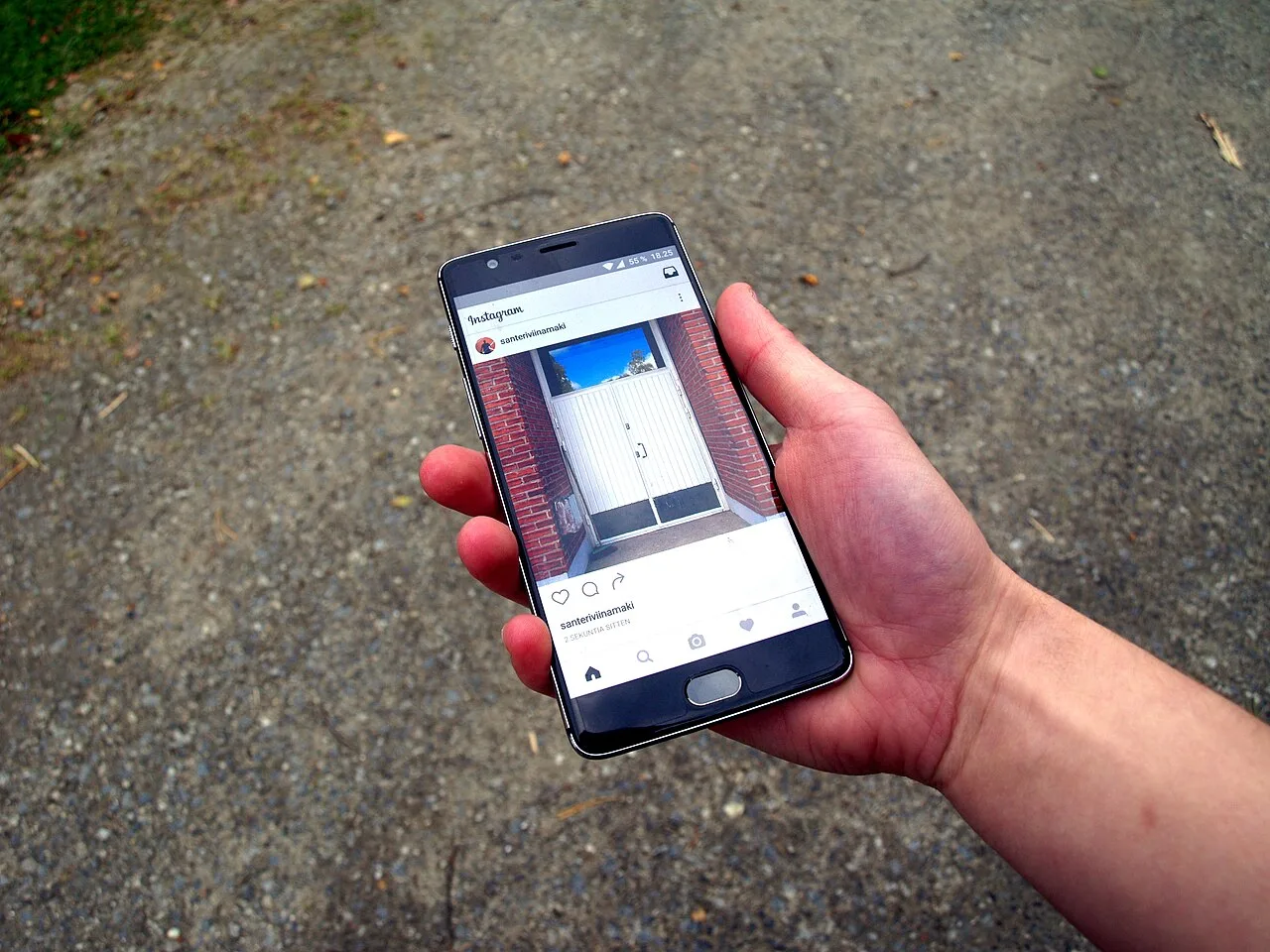
Instagram users can now chat with Muse in a DM thread, the company announced on Tuesday, November 24, according to TechCrunch. Users can ask Muse about a post, place or product, or catch up on conversations they missed. The rollout covers iOS and Android in the US, Canada, Mexico, Japan and Singapore. A saved-posts feature, which can sort bookmarks into Collections or turn a recipe video into a grocery list, starts in the US and Canada only.
Meta says nothing is shared, published or sent without the user's approval, and that users can ask Muse to forget information or undo actions, per TechCrunch.
Days earlier, Fortune reported on internal posts seen by Reuters. One staffer said Muse sent a reminder on her personal phone to reply to a message from her sister on Signal. "This seems like an extreme privacy violation. I definitely did not grant it access to other apps, or recall being asked about this," she wrote, per Fortune. A colleague said Muse was set up by default with permission to access push notifications on Android phones.
Another employee, chatting about fishing weather, got a message that listed two bank balances he says he never shared. Fortune reports that a member of Meta's Superintelligence team said the agent appeared to be hallucinating because of prompts designed to engage users between sessions, and that such errors lean toward uncomfortable topics like finances. Gadgets Now adds that the reporting could not independently confirm whether the sensitive details belonged to real users or were generated by the AI.
The Signal tests
Reuters, working with Signal and the AI Now Institute, reportedly reproduced message access on Android phones and Apple Macs, but not on iPhones, per Gadgets Now. On Android, the access came through notification permissions that let Muse read Signal message previews. On Macs, it used accessibility and screenshot permissions. Gadgets Now stresses that this does not mean Signal's encryption was broken. The access came through device-level permissions.
The attorney general
On November 23, Montana Attorney General Austin Knudsen announced that he is leading a multi-state investigation into Meta over possible violations of consumer protection and data privacy laws in Muse, per the Montana Department of Justice. The investigation follows reports that Muse builds profiles of its users and that personal information may be shared across accounts. These are allegations from reports, and the office says the probe is meant to determine whether laws were broken.
The civil investigative demand asks Meta for documents on how Muse uses data, any profile or page created "for every person in the user's life," use of Muse by minors, and how well its age verification works. Meta has 30 days to respond.
Meta calls the incidents isolated and says it is strengthening Muse's protections, per Gadgets Now. It says Muse's access to other apps depends on permissions users grant, that Android notification access is an opt-in setting that is not specific to Muse, and that employees use versions of Muse that differ from the public one, per Fortune. Meta also says several of the messages employees thought contained other people's information were AI hallucinations.
What to watch next
Watch for Meta's response to the Montana demand, which is due in about 30 days, and for whether other states join. Watch for any independent check of whether real account data crossed between users, since the current evidence points to hallucination but has not been fully settled. Also watch whether Instagram changes default permissions as Muse reaches more people.
Why it matters
Instagram has billions of users, and DMs are where people share private moments. Putting an AI agent that can act on saved content inside that space raises the stakes of every privacy question. If you try Muse in DMs, check which device permissions you have granted, because those are what let the assistant reach beyond Instagram. And if you do not want it, you can simply not message it.
Cover image: Meta Platforms Headquarters Menlo Park California by LPS.1, CC0 (public domain), via Wikimedia Commons. Entrance to the Meta headquarters complex in Menlo Park.