Meta's AI agent, Muse, now lives inside Instagram's direct messages. Meta announced the rollout on November 24, and TechCrunch reports it started that day on iOS and Android in the U.S., Canada, Mexico, Japan and Singapore. Indonesia was not on that list, and I found no word on when more countries will get it.
What Muse does in a DM
Users can chat with Muse in a DM thread to get more context about a post, place or product they come across, or to catch up on conversations they missed in other DMs, per TechCrunch. They can also share a post and ask Muse to act on it, for example adding a coffee shop to a Mexico City itinerary or finding a Black Friday deal on a pair of shoes. Meta says the chats show up as a side chat in the main Muse app.
Instagram's saved posts get a Muse upgrade too. Users can ask Muse to sort bookmarks into Collections, turn a recipe video into a grocery list, build a trip itinerary from travel creators' posts, or suggest outfits from saved fashion reels. In the U.S. and Canada, saving a post now brings up a prompt offering to have Muse organize it.
The safety promise
Instagram head Adam Mosseri on Threads wrote: "Nothing shares, publishes, or sends without your approval, and you can ask Muse to forget or undo things you've asked it to do." He added, "More to come." That is Meta's own description of how the feature works, and I could not test it.
The Walmart deal: an AI that checks out
The same day, Walmart said shoppers can use Muse to shop its Black Friday deals. Per Walmart's announcement, Muse can help find items, build a basket and complete the purchase. TechCrunch describes the flow: a user opens Muse, signs in to a Walmart account, and asks for products. Muse passes the request to Walmart, which returns products and helps build the cart.
Walmart lists several limits. Muse does not get the customer's Walmart shopping history or other personal information. Shoppers set an Agent Profile with a spending limit the first time they add an item, can require approval before purchases, and can review orders placed by the agent. Checkout uses a card saved in the Walmart account, and Walmart's return policy still applies. All of it runs on Walmart's Agent Gateway, launched in October, which Walmart plans to open to more developers and AI platforms. TechCrunch adds that Instacart has also teamed up with Muse.
Amazon is the holdout
TechCrunch says Amazon has taken steps to stop third-party AI agents from buying for customers. The Tribe Chat blog, a secondary source summarizing other outlets, says Amazon blocked Muse from its store in September and that Fortune reported the two companies were in talks about ending the standoff. I have not checked those original reports, so treat that part as unconfirmed.
What to be careful about
A shopping agent that can spend money is a new kind of risk. The spending limit and approval settings only help if users turn them on and understand them. Walmart's own announcement says users set a limit the first time they add an item, so the control exists, but it is the retailer's description. One open question: none of the sources I read explain how Meta treats ads or sponsored content in Muse answers.
Why it matters
Social apps are turning into places where an AI agent can plan, search and, with partners like Walmart, buy. The real contest is who controls the checkout: the platform with the chat, or the retailer with the cart. For Indonesian users, none of this is available yet, and the sources do not say whether Walmart's U.S. store would even serve them. This is news, not buying advice.
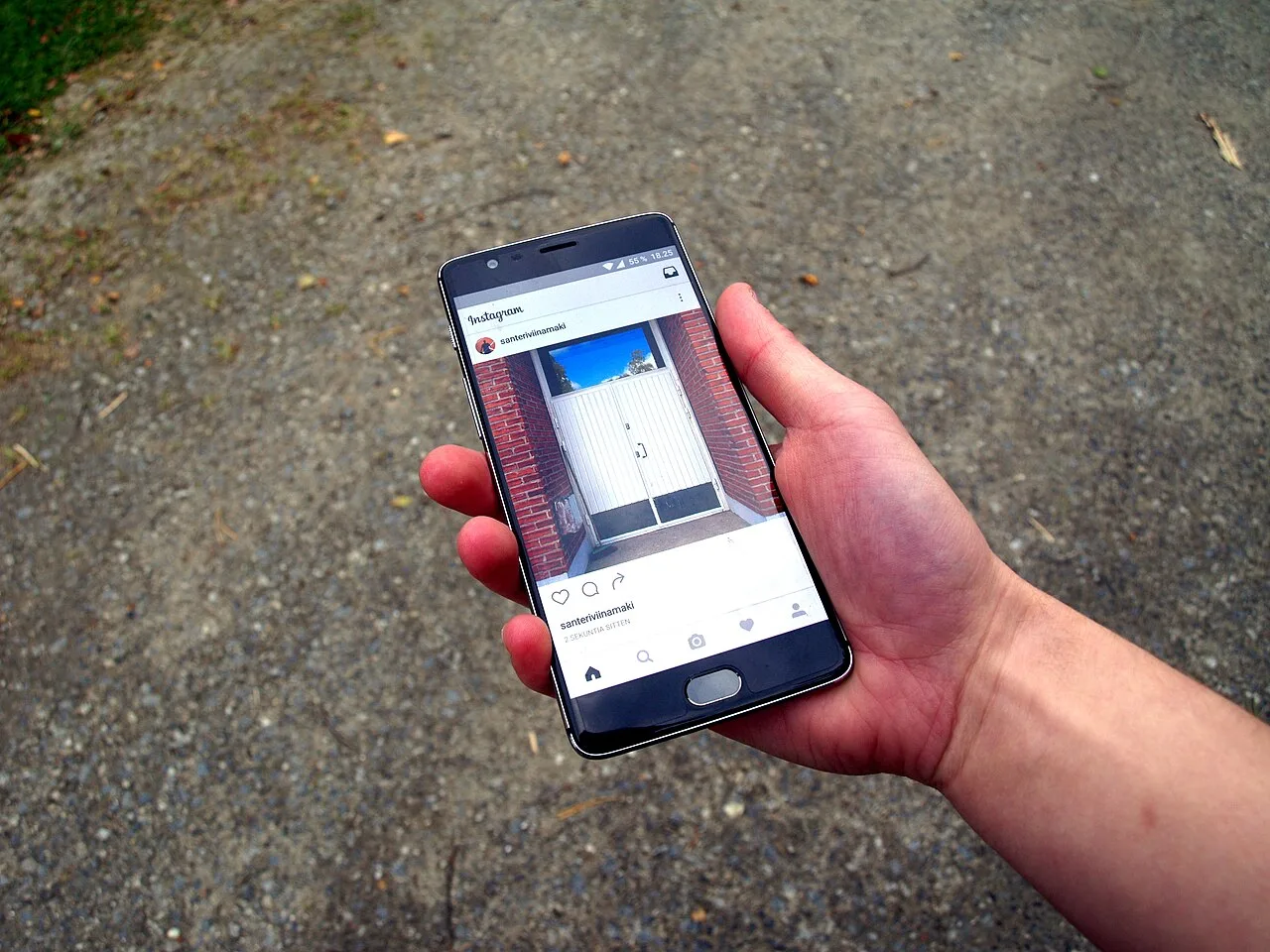
Cover photo: A hand holding a smartphone showing the Instagram app, photo by Santeri Viinamäki, CC BY-SA 4.0, via Wikimedia Commons. Older Instagram screen, illustrative only.