Google is putting a gate in front of your inbox, and every AI agent will have to walk through it. The company says AI agents must reach Gmail, Drive and other Workspace apps through its own new MCP servers or command-line tool, not the regular APIs, starting February 1, 2027.
What Google announced
Google made its Workspace MCP servers and the official Workspace CLI generally available and said agents must use them instead of calling the REST APIs directly, with technical enforcement from February 1, 2027, per Google Workspace Updates. MCP, or Model Context Protocol, is a common standard for connecting AI tools to apps. The servers cover Gmail, Drive, Docs, Sheets, Slides, Calendar, Chat and Tasks, per Google Workspace Updates. Regular apps can keep using the existing APIs, per The Next Web. Sources date the announcement to November 24 or 25.
Why Google says it is doing this
Google says its APIs were built for apps working at human speed, where a valid login meant the user wanted the action, per The Next Web. Agents act on their own at machine speed, so every request is now checked against company permissions and data-loss rules, per The Next Web. Google says "a valid token is no longer enough," per Infosecurity Magazine. The new servers include built-in confirmations, audit logging and admin controls, and work with Google's Model Armor, a service that screens for prompt injection, per Google Workspace Updates and Infosecurity Magazine.
What agents can and cannot do alone
Agents can draft emails and summarize documents on their own. They need a person's sign-off before sending email, changing Drive sharing or making bulk edits, per The Next Web. Each agent also needs its own sign-in ID with tight limits, per The Next Web. Admins can already view, audit and revoke agents in the admin console, per TrustList. Some controls are still to come, including letting users see and revoke agents' access themselves, and Google gave no dates, per The Next Web and TrustList.
The data rules
A new Workspace AI Tools Addendum bars AI tools from using Workspace data to train models or build rival services, and from scraping it. They must delete it when a user disconnects, per The Next Web. TrustList reads the addendum more broadly: it says derived data such as embeddings and memory indexes may not be kept more than 30 days and that automation platforms that call a model on Workspace data could count as agents. That is TrustList's reading of the legal text, so developers should check the addendum itself.
The price tag
Workspace APIs, MCP servers and the CLI now have two usage tiers, starting with Gmail, Drive and Calendar, per Google Workspace Updates. The Standard tier is free with published quotas. The Scaled tier is for higher usage, and from April 1, 2027 it will charge only for usage above daily free allowances, per Google Workspace Updates. Google says over 99% of active developers are in the Standard tier and will keep access at no extra cost. That is Google's figure. TrustList notes Google has not published the quota prices.
Others are drawing lines too
Google is not alone. In October, Charles Schwab said it blocks outside agents from moving client money, per The Next Web. The pattern is clear: big platforms want agents to come through a door they control.
What to watch next
Watch the dates: enforcement on February 1, 2027 and billing on April 1, 2027. Watch which AI assistants and automation tools update their Google connectors, and what Google publishes on prices and on user-facing controls. Also watch for pushback from developers over the data limits.
Why it matters
If you use an AI assistant that reads your email or files, this changes how it gets in. The upside is that sending an email or changing sharing will need your approval, and that agents can be audited and revoked. The downside is that Google decides who gets in, on what terms and at what cost, and smaller tools may struggle to comply. As agents do more on our behalf, the fight is shifting from what they can do to who controls the door.
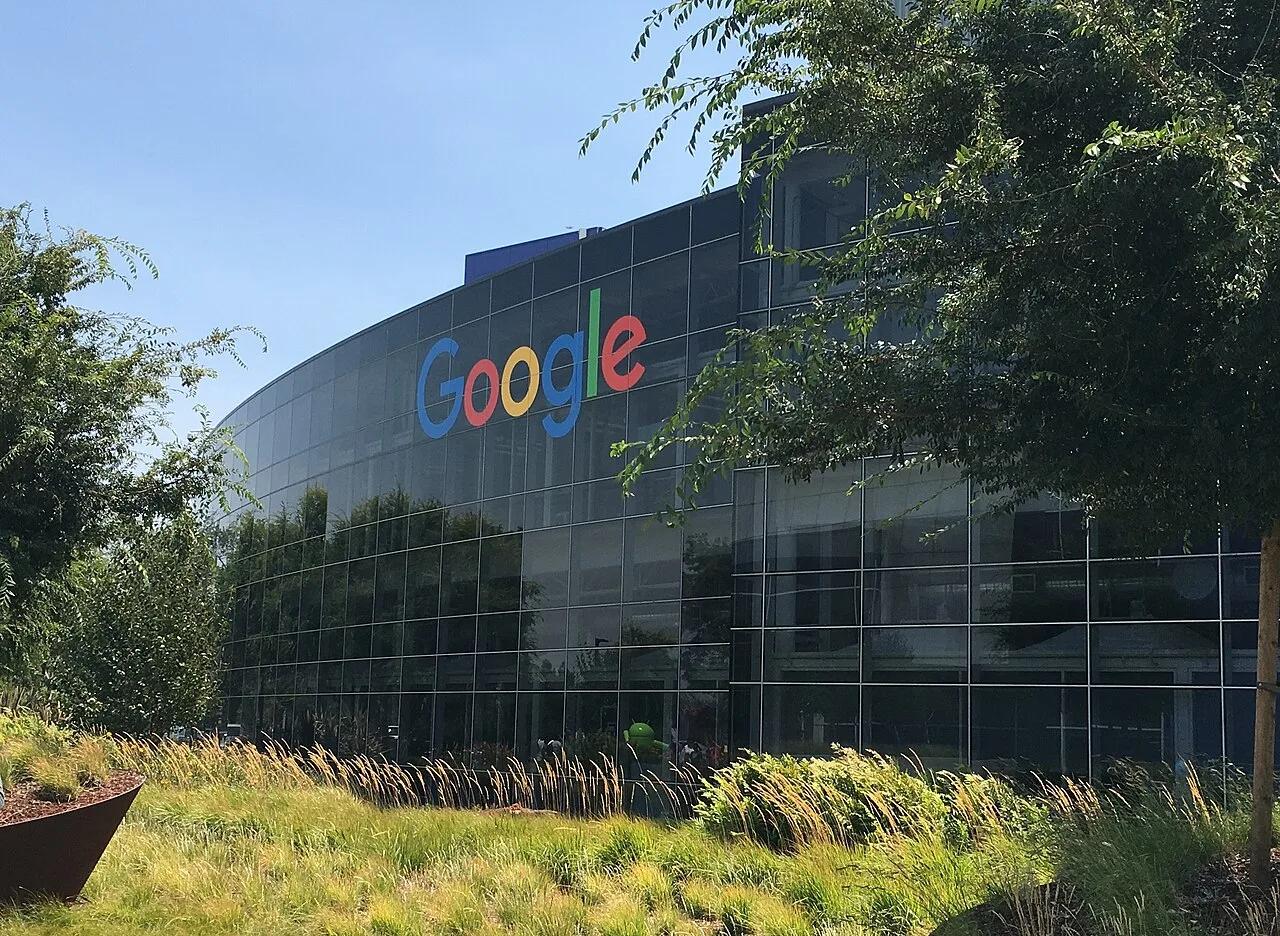
Cover image: Googleplex building with Google logo by Asoundd, CC BY-SA 4.0, via Wikimedia Commons. Archive photo of Google's campus.