A House committee has published the most detailed look yet at which Chinese companies the US allowed to buy advanced AI chips. The numbers are big, the politics are loud, and the companies say they broke no rules.
What the documents show
The US Commerce Department's Bureau of Industry and Security approved the sale of more than 879,000 AI chips to Chinese companies including Alibaba and Tencent as of May 2026, according to documents released Thursday, November 19, by the House Foreign Affairs Committee, per CNBC. From December through May, companies requested approval for 3.4 million chips, the committee reported, citing requests from Nvidia and AMD, per CNBC.
The approved applications included 75,000 chips for Alibaba, 150,000 for Tencent and its subsidiaries, 43,000 for Baidu and 4,000 for BYD, according to Benzinga via Yahoo Finance. Some approvals went to companies the Defense Department has designated "Chinese Military Companies," per CNBC. The Register reports that the agency also refused some giant requests, including Nvidia's application to sell 610,000 chips to Alibaba and 508,000 to ByteDance.
Committee chairman Brian Mast, a Republican, called the release "the most detailed public disclosure in the history of the Export Control Reform Act," per Benzinga via Yahoo Finance. The Register reports Mast also claims some applications were attempts to sell to "chip-smuggling fronts." That is Mast's claim, and we have not independently verified it.
What the companies say
Nvidia said it followed the Commerce Department rules in effect at the time, per CNBC. Spokesperson John Rizzo said the review "spanned more than half a year, with approvals subject to strict conditions and limited volumes," and that Nvidia has since stopped shipping H200s to China, per CNBC. AMD said it complies with US export control laws, per CNBC. A spokesperson for the Bureau of Industry and Security said licensing decisions come from consultation among multiple agencies, per CNBC.
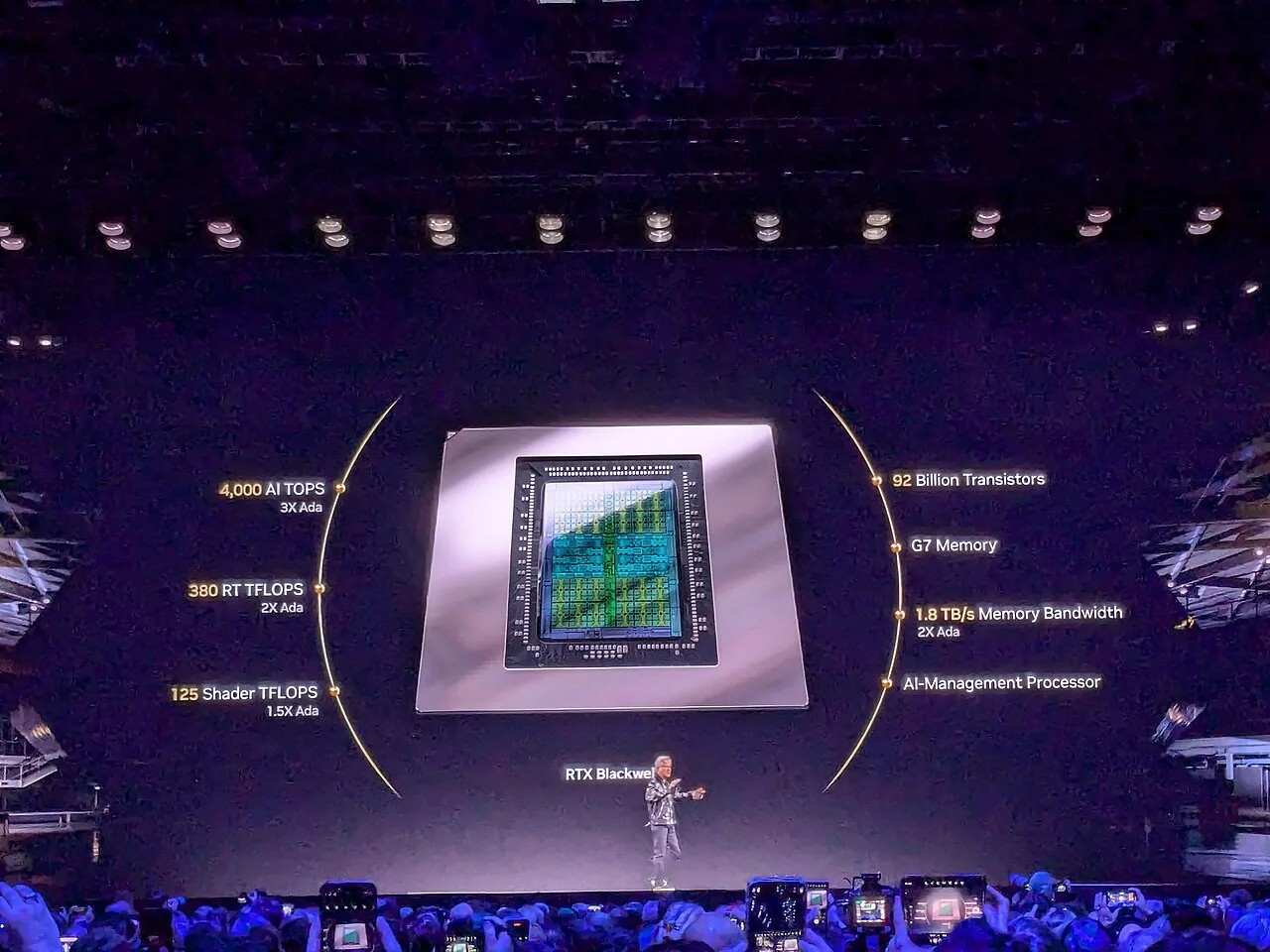
There is also a counterpoint on scale. Bernstein analyst Stacy Rasgon told CNBC that 879,000 approvals out of 3.4 million requests is "not that many," or about one in four, per CNBC. Analysts also said actual sales stayed limited because Beijing did not approve large-scale imports, per CNBC. Nvidia reported $2.4 billion in quarterly revenue from H200 and related chip sales in China, and China and Hong Kong customers made up about 9.5% of revenue, per CNBC.
The political reaction
Senate Minority Leader Chuck Schumer wrote on X that "Trump and Lutnick sold out America's national security to make a quick buck for themselves and their billionaire buddies," per Benzinga via Yahoo Finance. That is Schumer's accusation, and the sources we read do not back the "quick buck" claim with evidence. Trump announced in December 2025 that Nvidia's H200 chips could go to approved Chinese customers if the US got a 25% cut of sales, per CNBC.
What Congress wants next
Lawmakers are trying to put three bills into the year-end defense bill, per RocketPunch: the AI Overwatch Act, which would strengthen congressional review of advanced chip exports, the MATCH Act, which targets chipmaking equipment sales to China, and the Semiconductor Security Act, which would add location tracking for controlled chips. RocketPunch says Senate Majority Leader John Thune and Schumer have both stressed the need for strong export controls. Nvidia has argued that selling some chips keeps China's AI industry reliant on US technology, per the same report.
What to watch next
Watch whether the three bills actually make it into the defense act. Watch whether BIS releases more license data. And watch how Chinese firms respond: The Register reports that Tencent and Alibaba said a new US ban on remote access to advanced chips will slow some AI work, though both expect Chinese chipmakers to catch up around 2027 or 2028.
Why it matters
AI chips are the most contested hardware in tech. Every approval or denial shifts who can train frontier models. The data suggests the US approved a fraction of requests and that real sales stayed small. It also shows how much of the decision now sits in Congress's hands, which is why a year-end bill matters more than any single license.
Cover image: Capitol Building Full View by Noclip, public domain, via Wikimedia Commons. Illustrative photo of the US Capitol, not related to a specific event.