Impresiv, AutomationImpresiv
DocumentationCommunityBlogPricingMCP
Sign in
    Impresiv, AutomationImpresiv

    Less repetitive. More Impresiv.

    Get the mobile app

    Download on theApp StoreGet it onGoogle Play

    Product

    • Documentation
    • Pricing
    • MCP
    • Blog
    • Community

    Compare

    • n8n vs Impresiv
    • Zapier vs Impresiv
    • Make vs Impresiv

    Contact

    • support@impresivai.com
    • +6285136538145
    • Schedule a call

    Legal

    • Privacy
    • Terms
    • Refund

    © 2026 Impresiv. All rights reserved.

    Indonesia

    Impresiv
    Blog
    Developer News

    Developer News

    Claude rewrote the API that serves Claude: 70% less CPU, zero downtime, and a warning about verification

    Anthropic says Claude agents migrated its Messages API from Python to Rust in production, cutting CPU per request by about 70%. The hard part was not writing the code. It was proving the new version was right.

    IImpresiv Team
    November 26, 2026 4 min read Updated November 29, 2026
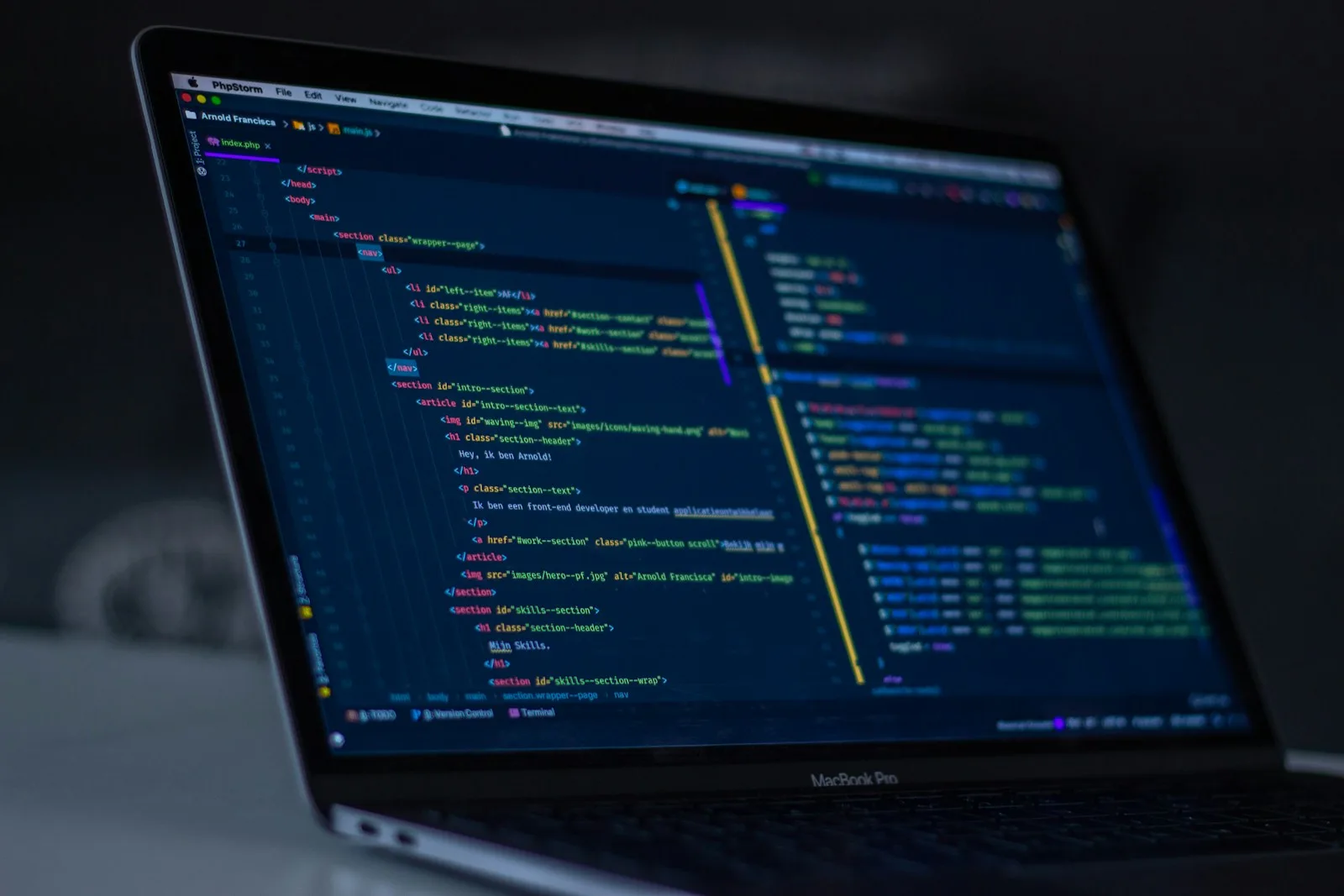
    Laptop screen showing lines of source code in a dark editor

    Anthropic says Claude agents helped rewrite the very API that serves Claude. The company moved its Messages API from Python to Rust with no downtime, cutting CPU use per request by about 70% and median time to first token by about 20%, according to its own Anthropic post published Nov. 25.

    The numbers

    The Messages API is the main way customers, and Anthropic's own apps like Claude Code and Cowork, reach Claude. Per Anthropic and InfoWorld:

    • About 70% less CPU per request.
    • More than 80% less memory, per InfoWorld.
    • About 20% lower median time to first token.
    • No downtime and no freeze on feature development.
    • Claude wrote a first version of the core request path in about a week.

    API traffic grew roughly 1,800 times from early 2024 to fall 2026, Anthropic says. The Python service, built in 2023 as what one engineer called "basically a request forwarder," was not designed for that load.

    Anthropic's own chart of daily API requests barely registers through 2024, climbs gradually in 2025, then shoots up in 2026 to its highest point in October. By late 2025, every request also had to be validated, turned into a prompt, tokenized and screened by safety classifiers, and Python added overhead to each of those steps.

    Why Claude was allowed to do it

    anthropic
    claude
    rust
    python
    ai-agents
    software-engineering
    api
    Share this article

    Stay ahead

    Ship less glue code with Impresiv.

    Wire APIs, webhooks and AI agents together visually — and skip the boilerplate.

    Start building free See pricing

    On this page

    20%
    • The numbers
    • Why Claude was allowed to do it
    • The real problem: trusting it
    • The fix: shadow traffic
    • Why it matters

    Keep exploring

    Continue reading

    All articles
    Screenshot of the Gemini chatbot website with a prompt box and a sidebar menu, by Google, public domain. Illustrative image, not a photo of the interview or the lab
    AI News

    Google DeepMind's chief says Gemini's leap came from AI helping improve itself, but Google's own report shows humans still steer 88% of code changes

    DeepMind chief Koray Kavukcuoglu told the FT that recursive self-improvement explains Gemini's recent jump and faster releases, while promising human oversight. Google's safety report shows how much code AI writes. Not investment advice.

    IImpresiv Team
    November 29, 2026 4m
    A hand holding a smartphone that shows the Instagram app on a gravel background. Photo by Santeri Viinamaki, CC BY-SA 4.0. Older Instagram screen, illustrative only
    Social Media

    Meta's Muse AI agent is now in your Instagram DMs and can shop Walmart for you, but Indonesia is not on the launch list

    Meta began rolling out its Muse AI agent in Instagram DMs on November 24 in five countries: the U.S., Canada, Mexico, Japan and Singapore. A Walmart tie-up lets Muse build carts and check out, with spending limits. Not buying advice.

    IImpresiv Team
    November 29, 2026 4m
    Rows of empty cubicles with older computer monitors in a large call center. Public domain photo via Wikimedia Commons. Illustrative only
    Startups

    Sierra's AI customer-service agents just doubled the startup's value to $30 billion in six months, and big banks are among its customers

    Sierra, co-founded by Bret Taylor, raised $1.75 billion at a $30 billion valuation, about double its value six months ago. It claims over $400 million in annual recurring revenue and charges per outcome, not per seat. Not investment advice.

    IImpresiv Team
    November 29, 2026 4m

    Anthropic said the old advice against full rewrites no longer held. By May 2026, it says, Claude was writing more than 80% of the code Anthropic merged. A first attempt that rewrote only the output-parsing code in Rust saved just 8% to 10% of CPU, because every token then crossed between Python and Rust three times. A full rewrite was the only way to get real gains.

    One engineer had once settled the question in 2024 with a flat "We are not rewriting the API in go or rust!" Two years later, the team did exactly that.

    The real problem: trusting it

    Writing code was no longer the bottleneck. Checking it was. Anthropic listed why that was hard:

    • The Python API kept changing during the migration, so "correct" kept moving.
    • Claude can answer the same request differently, so a mismatch did not always mean a bug.
    • Anthropic could not read customer requests, so it could not easily see where the two versions diverged.

    The existing test suite of about 700 integration tests did not help enough. The tests were tied to the Python implementation, and when Claude ported them, some got weaker. An audit found more than 100 weakened assertions. In other words, a passing test could mean the code was right, or that the test had been changed to let wrong code through.

    The fix: shadow traffic

    Anthropic instead turned the production API into the verifier. It ran real requests through both the old and new code, compared the results, and recorded each difference without keeping customer content. Agents were then dispatched automatically to fix those differences, with humans reviewing the changes, per InfoWorld.

    Why it matters

    This is the "AI builds itself" story with receipts. A company used its own model to rewrite the infrastructure that serves that model, on live traffic, with measurable savings. For developers, the lesson is Anthropic's own: when AI makes generating code cheap, verification becomes the expensive part. Teams that only measure how fast AI writes code will ship bugs they cannot see.

    It is also a hint about where engineering jobs shift. If an agent can write a first version of a core service in a week, the scarce skill is defining what "correct" means and building the checker that proves it. Expect that to show up in job descriptions soon. The numbers here are Anthropic's own measurements on its own service, so independent confirmation will have to wait for others to try the same approach.