Australia has passed one of the toughest online safety laws among major democracies. Parliament approved the Digital Duty of Care on Wednesday, November 25, per AP. It puts a legal duty on platforms to reduce harm before it happens, lets people sue when they break it, and brings a feed choice that could let users turn off algorithmic recommendations.
What the law does
The Digital Duty of Care applies to online services including games, apps, social media platforms and AI chatbots, per the Australian government. Platforms must protect Australians from seriously harmful material and conduct, make sure their features and tools do not cause harm, and protect under 18s from content and features such as pornography, eating disorder material and online bullying. Low-risk services are outside the law, and Communications Minister Anika Wells gave a cafe or a bookkeeper's website as examples, per The Next Web. AP says the law is similar to the European Union's Digital Services Act and the UK's Online Safety Act. It takes effect 12 months after Royal Assent, per the Australian government.
Fines and the right to sue
Companies that breach the duty may face fines of up to 5 percent of global revenue or A$109.2 million, whichever is greater, per the Australian government. Wells said the 5 percent figure sits between Canada's 3 percent and the EU's 6 percent, per The Next Web. The Greens' votes came at a price, The Next Web reports: individuals and groups will be able to sue platforms that breach the duty, and a separate external complaints body will offer a faster route alongside the courts.
The algorithm switch
The most visible change for users is about feeds. The government says the Minister will be able to make rules requiring platforms to give people a choice between recommended content and only content from pages and people they follow, under the name My Feed My Way, per the Australian government. The Next Web describes it as a switch to turn off algorithmic feeds that platforms must offer and keep easy to find. TVC News, citing AFP says the law requires X, TikTok and Instagram to let users opt out. The sources describe the mechanism slightly differently, so the details will depend on the rules the Minister makes.
Other parts of the package
Platforms must assess the risks of addictive design such as endless scroll and popularity meters, and AI chatbots will be barred from building emotional intimacy with children, per The Next Web. The eSafety Commissioner gets expanded powers, including over cyberbullying and the creation of fake nude material, per the Australian government. The law also sits on top of Australia's under 16 social media ban, which has been in force since December, per The Next Web. TVC News, citing AFP cites Qustodio data from August showing under 16s in Australia were increasing their use of apps such as Instagram and TikTok despite the ban.
The pushback
The conservative opposition vowed to fight the law and says it gives the government too much power over speech, per TVC News, citing AFP. US ambassador David Brat warned it would "push platforms to censor lawful speech" and said the US is concerned about compliance burdens on American companies, per TVC News, citing AFP. The US government made a formal submission in September with a similar warning, per The Next Web. The Next Web reports that Labor dropped a clause that would have let the minister add new harms after critics on both sides warned it could be used for censorship, and that Wells described a meeting with Brat as friendly, with differences still being worked through.
What the government says
Wells called it "a landmark safety reform in the vein of compulsory seatbelts," and said, "If you build it, you should be responsible for its risks," per The Next Web. She also said: "Big Tech can no longer be under any illusions, they are responsible for keeping Australians safe on their platforms," per TVC News, citing AFP.
What to watch next
Watch the rules the Minister writes for the feed choice, how the eSafety Commissioner uses its new powers, and whether platforms or the US government challenge the law. Platforms have 12 months before the duty applies. Also watch whether other countries copy the right to sue, which goes further than the fines in many other regimes.
Why it matters
For the biggest platforms, a fine tied to global revenue can be huge, and a private right to sue opens a new front. If users can switch off the algorithm, it could change how feeds work for millions. Whether it protects people or chills speech is the open fight. This is a news summary, not legal advice.
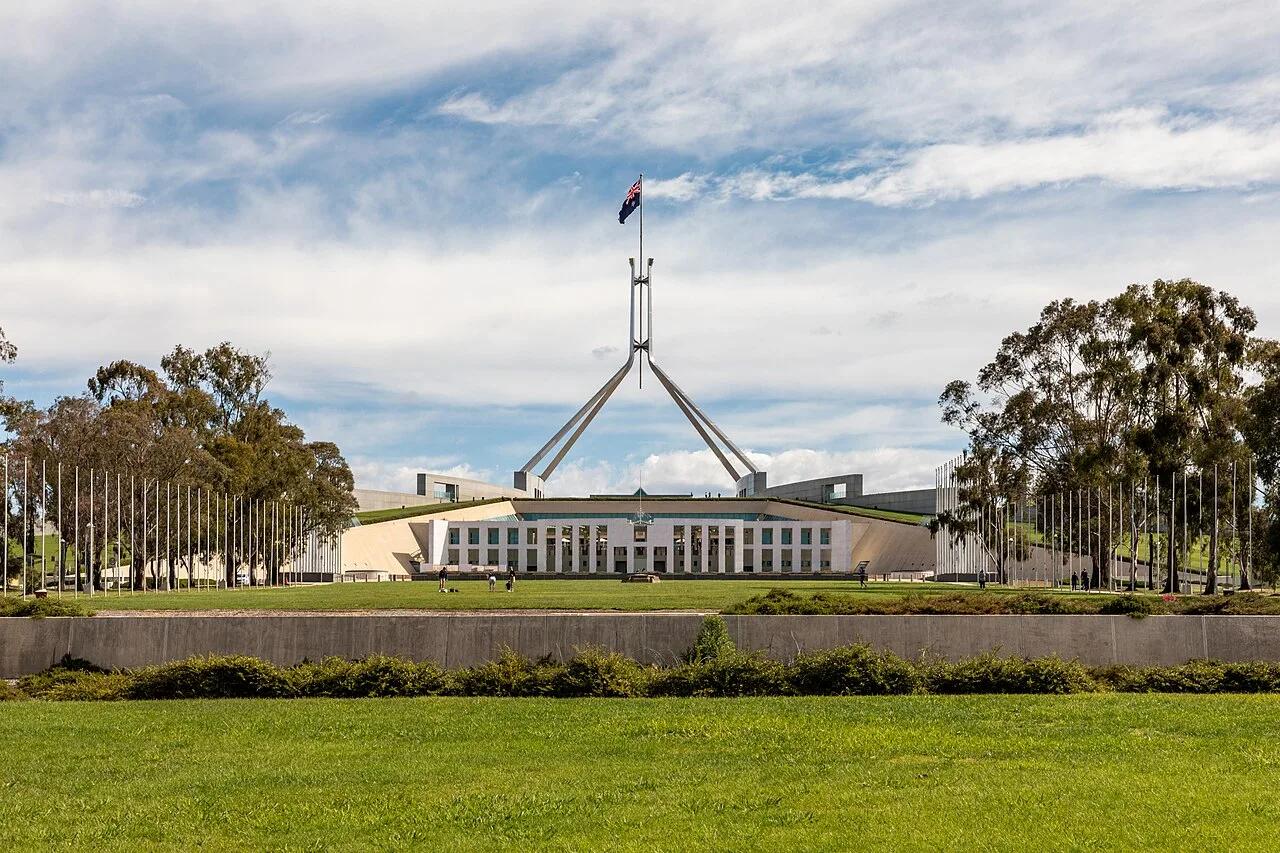
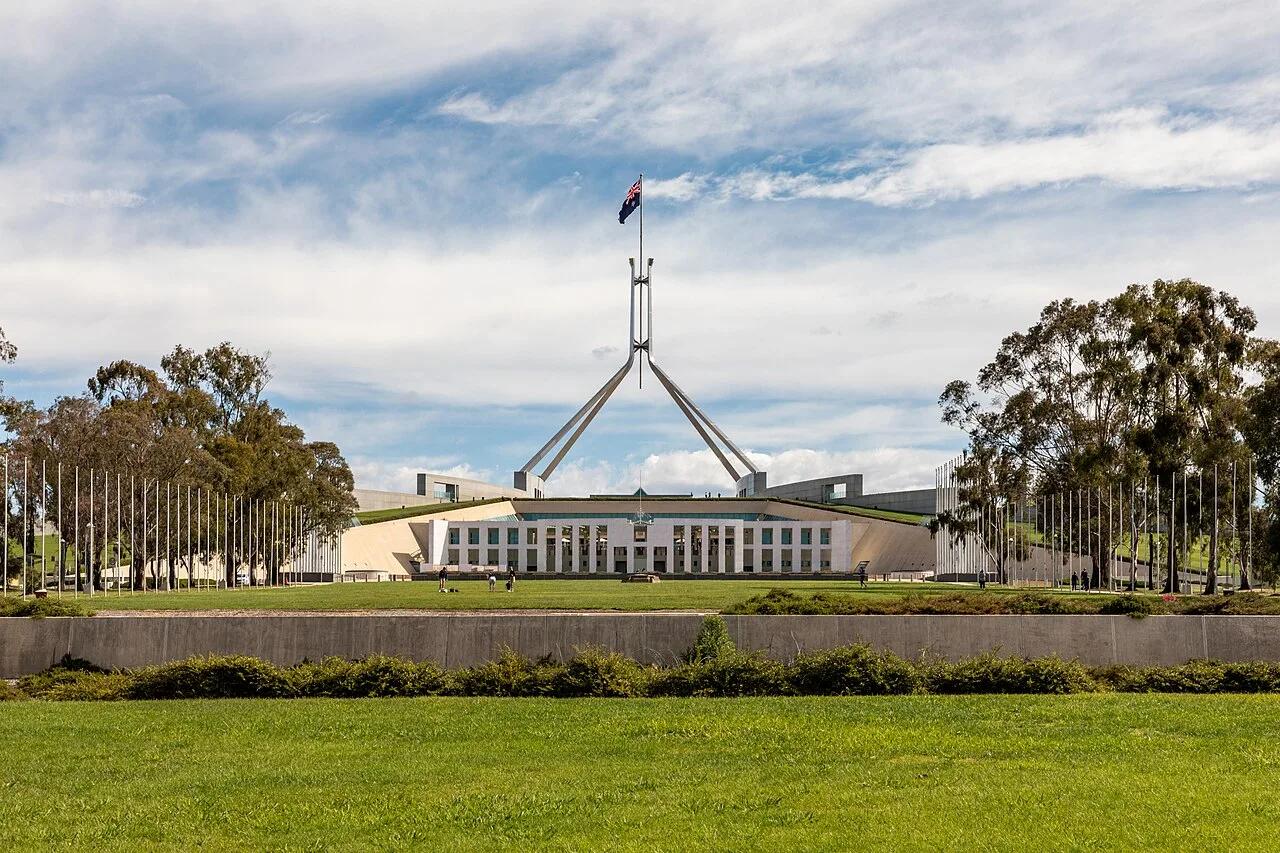
Cover image: Parliament House in Canberra, an archive photo from October 2019 by Dietmar Rabich, CC BY-SA 4.0, via Wikimedia Commons.