If your next phone looks pricier and the discounts look thinner, the reason is partly sitting in an AI data center. The Hindu reports a Techarc study that found smartphone prices in India up 16.6% over 12 months, after falling in early 2025. India Today reports Counterpoint Research expects global smartphone shipments to drop 13.9% in 2026, the worst slump it has recorded. This post reports what the researchers say. It is not a buying recommendation.
The price numbers
Techarc tracked online prices for 1,097 products in India from January 2025 through October 2026, per The Hindu. Smartphone prices fell 7.3% between January and October 2025, then rose 16.6% over the following 12 months. Laptops rose 13.5% and tablets 13.3%.
The pain is not even. Entry-level smartphones priced up to ₹12,000 jumped 21.9% on average, while premium models above ₹1 lakh fell 5.7%, according to The Hindu. The cheapest third of laptops rose 20.1% and of tablets 27.5%. Samsung and Google kept price changes under 4%, while challenger brands raised prices by 14% to 22%, because they relied more on spot-market pricing, the report says.
Products with little memory went the other way. Wireless earbuds fell 16.3%, robot vacuums 12.8% and smartwatches 7.5%. Techarc calls the trend "memflation", or memory-led inflation.
Why: memory is going to AI
India Today says the biggest cause is a severe shortage of mobile memory chips such as DRAM, NAND and LPDDR. It says chipmakers are prioritizing AI data centers and servers because those offer much higher profits, leaving phone makers to pay steeply for limited supply. Another LPDDR price hike is expected in early 2027, according to the report. As a result, brands are raising retail prices, cutting production orders, dropping lower-memory variants and quietly ending unprofitable phones under $200.
The Hindu adds that chipmaker SK hynix projects memory demand will exceed supply through 2030, and Techarc expects cost pressure on memory-heavy electronics to last through 2027. That is a projection, not a certainty.
The sales numbers
According to India Today, Counterpoint's November outlook says global shipments will fall 13.9% in 2026 to about 1.08 billion units, worse than the 11.3% fall in 2022, and slip another 6% in 2027. In Q3, shipments fell 19%, the lowest third quarter since 2012, yet revenue grew 3% to $114 billion because the average selling price jumped 27% to a record $442. Apple took 50% of global revenue and Samsung 19%.
The US shows the same split. Counterpoint Research says US shipments fell 9% in Q3, Apple's share rose from 50% to 57%, and Motorola's share fell four points to 8% as memory costs squeezed its low-end phones. Senior analyst Maurice Klaehne said "MSRP increases across Android and iOS are here to stay", and that US carriers will likely be more selective with promotions this holiday season.
What the report says about India
India Today reports India's Q3 shipments fell 20% to a 10-year low, phones under ₹20,000 fell 47%, and festive-season sales dropped 22%. Discounts shrank to 10 to 25% from 35 to 40% in 2025. We did not find sourced figures for Indonesia, so we draw no conclusion for the Indonesian market.
What happens next
Counterpoint expects a 6% rebound in 2028 as memory supply eases, but shipments would still be 14% below 2025, with full recovery unlikely before 2030, per India Today. It says people are keeping phones longer or buying refurbished ones.
Why it matters
Phone makers and AI companies are now competing for the same chips, and the sources say AI buyers are winning the margin. The reported result is that the cheapest phones are getting the biggest price rises, while the largest brands with the most pricing power hold up best. Higher-priced "premium" models even got cheaper in the Techarc data. For shoppers, the researchers' message is that prices are not expected to ease soon. These are analyst estimates and could change.
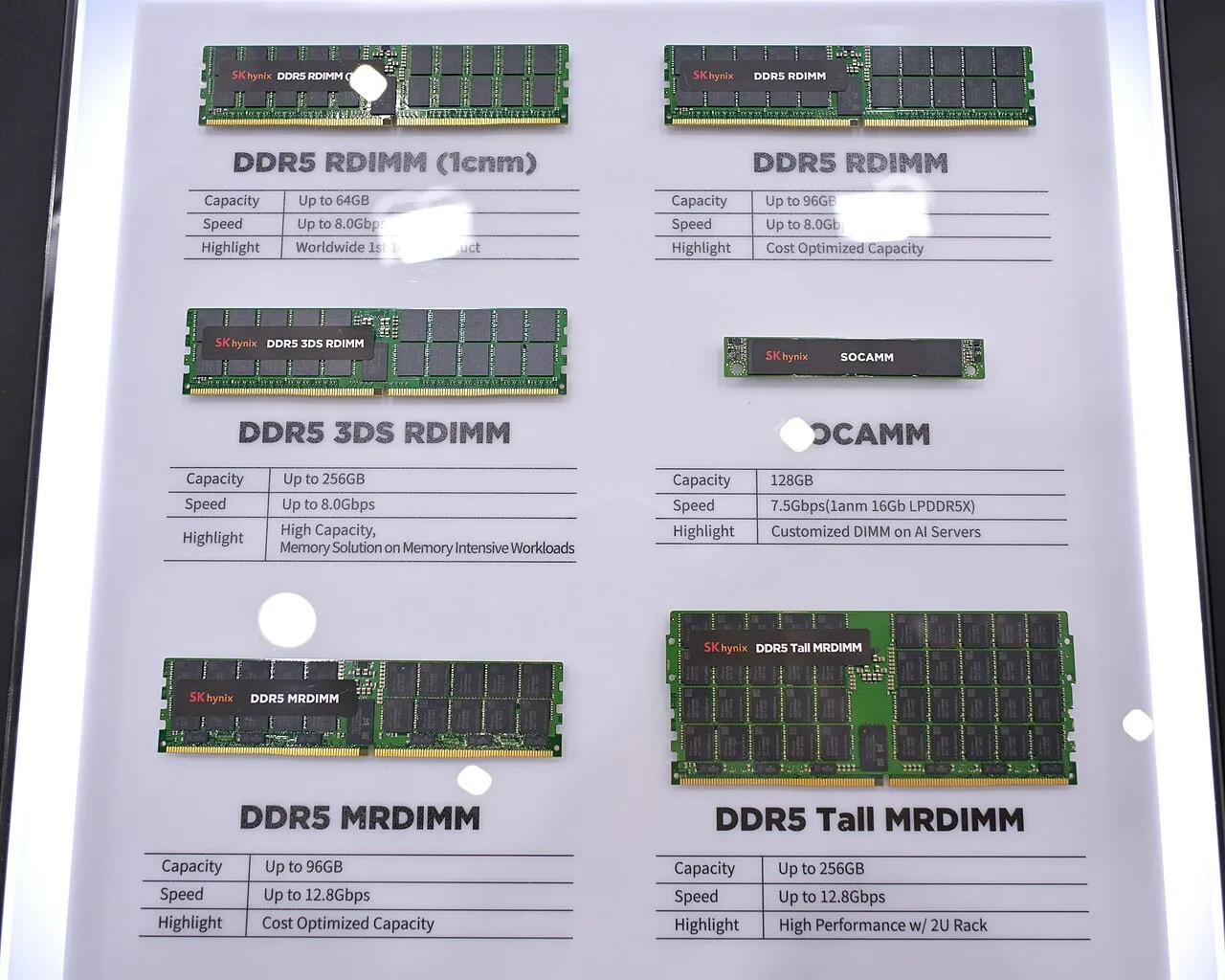
Cover photo: SK hynix DDR5 server memory modules on display, photo by 4300streetcar, CC BY 4.0, via Wikimedia Commons. Illustrative image of AI server memory, not of phones.